
Göreme Open-Air Museum: Reading the Rock Churches
Look closely at the carved spaces, painted layers and conservation choices that make Göreme Open-Air Museum more than a photo stop.
From panorama to interior
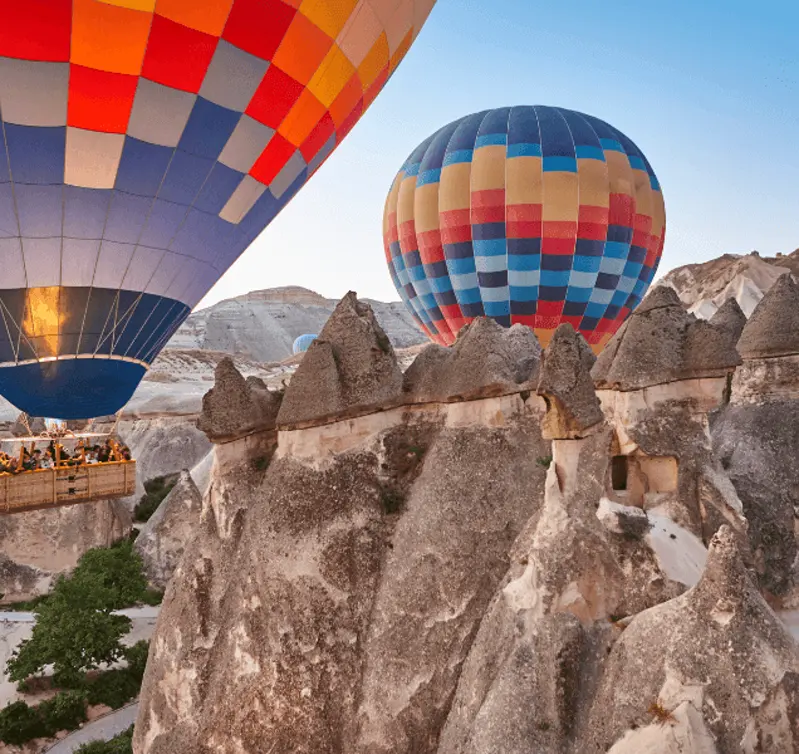
Cappadocia photographs often show distant fairy chimneys and balloons. Göreme Open-Air Museum asks you to enter small spaces and notice details. The Nevşehir Provincial Directorate of Culture and Tourism describes churches, chapels, refectories and living spaces, with monastic life from the fourth to the thirteenth century. This does not mean every room was carved at once or served the same purpose. Ask what each space was used for, what evidence you can see, and what is protected from visitors today. These questions make a fresco tour more meaningful.
Use the UNESCO name accurately
The property inscribed on the UNESCO World Heritage List in 1985 is called “Göreme National Park and the Rock Sites of Cappadocia.” The open-air museum is an important part of that broader heritage story, but it is not a substitute for the entire region. UNESCO stresses both the landforms shaped by erosion and the settlement and worship spaces carved into rock. Each church you enter is one part of that relationship. When you look back toward the valley, you can ask why its material and terrain invited this kind of architecture. World Heritage status does not mean every wall may be touched, every room is open or every painting is preserved in the same way. A visit needs to make room for conservation as well as admiration.
Read the space before the image
It is natural to head straight for the brightest painted scene in a rock church. First look at the entrance, ceiling, walls and any spaces to the side. The provincial tourism office notes that the rock blocks contain dining and living areas as well as places of worship. The site therefore makes more sense as a community setting than as a collection of isolated picture galleries. Do not assign a certain function to every recess on your own. Use the signs and a qualified guide's explanation. Give others space in narrow passages. Standing still for a moment in one room can reveal more than rushing through several doors. This is architecture made largely by removing material from rock, rather than adding courses of stone.
Painted layers tell different stories
According to the provincial directorate, some churches preserve early geometric decoration alongside later figural paintings. The scenes draw on biblical subjects and the life of Jesus. That distinction matters: it would be misleading to treat every visible surface as the work of one period or one painter. Look for the arrangement of line, colour, figures and empty areas. If a fragment is damaged or faded, do not present your imagined reconstruction as a fact. UNESCO describes the rock sanctuaries as important evidence of Byzantine art. You do not have to memorise the name of every scene to appreciate that value. Distinguishing a geometric band from a figure is already a useful beginning, especially when a guide can explain how one layer relates to another.
Why light matters in the Dark Church
The Dark Church makes the role of light unusually clear. The official museum ticket page explains that a small window admits little light and that this helped the painted colours survive. Low light also asks a visitor to let their eyes adjust. Rather than attempting to see every detail in seconds, pause where permitted and look again. The official ticket platform lists a separate admission arrangement for this church; prices and access can change, so check them for your travel date. Follow current on-site rules for photography and flash. The fact that the museum highlights the church does not guarantee the same viewing experience for every visitor. Crowds, conservation work and the time you can spend inside may all shape what is possible.
Put the names on a map
Official descriptions list sites such as the churches of Saint Basil, Elmalı, Saint Barbara, Yılanlı, Karanlık, Çarıklı and Tokalı. Instead of memorising the list, locate them on the visitor map or wayfinding signs. To distinguish one from another, note the entrance, internal arrangement and visibility of the paintings, not only the name. Some spaces may close for care or conservation. An older article saying that everything can be visited is not current visitor information. Missing one room does not make the day a failure; looking more carefully inside open spaces is often more rewarding. In busy periods, many people trying to enter a small room at once can affect both the experience and the surfaces that need protection.
Do not confuse museum and valley
A walk through Love and Devrent Valleys asks how changing light reveals geological forms. Göreme Open-Air Museum poses another question: how did people create spaces inside rock, and how were those spaces decorated? This guide's tour image shows balloons and Cappadocian formations, but it is not evidence of a particular church interior. Naming an image accurately is part of respecting the geography and history of the route. You can connect the outdoor landscape to the carved spaces without pretending every regional photograph was taken inside the museum. If you wish to photograph a site described by your guide, first check the applicable permission and then make sure the actual site is in the frame. A caption should describe what viewers can see.
Fit the museum into a real day
The CREAOS Cappadocia Turquoise Tour lists Göreme Open-Air Museum first, followed by places including Paşabağı, Çavuşin, Pigeon Valley and Özkonak. This does not guarantee unlimited time at every church. If studying the paintings is your main reason for joining, ask before booking how long the museum stop is expected to be. The Turkish and English tour descriptions differ in detail, so confirm the route for your date with the team. Use current official museum information for admission, separate tickets and opening times. Steps, narrow passages and sloping paths may matter to visitors with mobility needs; ask about access in advance. Build in a chance to rest or make notes. Without a little space between stops, a full day's impressions can blur together.
Three details to carry away
As you leave, remember three details: a carved doorway, a line or colour in a painting, and a boundary placed to protect the site. Together they speak to architecture, art and responsibility. Provincial tourism sources and UNESCO provide historical context; museum signs explain current access. If you cannot identify a painted scene, ask a guide or verify it later instead of stating a guess with certainty. Göreme's value does not lie in consuming every wall in one visit. Look carefully at the spaces people made, leave no trace and let the next visitor examine the same details.