
Two Lake Stops in Bolu: Gölcük and Abant
Explore Gölcük Nature Park and Abant Lake National Park as distinct landscapes on the first day of a Western Black Sea journey.
Two lakes, one thoughtful day
Gölcük and Abant fit into the opening day of a Western Black Sea journey, but they are distinct landscapes. Gölcük is a nature park near Bolu city, with a small lake framed by forest. Abant offers the wider setting of a national park toward Mudurnu. Walking scale, travel time and protected-area status differ. The CREAOS itinerary leaves Istanbul and names Gölcük first, then Abant, before overnighting in Bolu. It continues toward Amasra and Safranbolu later. This guide stays with the first day's lakes. Notice how forest, water and visitor behavior meet rather than racing for matching photographs.
A first look at Gölcük
The Bolu Provincial Directorate of Culture and Tourism describes Gölcük Nature Park as a mountain, forest and lake landscape reached by an asphalt road from the city. Fir, beech and hornbeam are among the trees in its account. On arrival, pause before walking. From one spot, look at how the trees meet their reflections; a breeze can alter that picture in moments. This small observation says more than an identical photograph taken by everyone at the same viewpoint. Official visitor information mentions walking areas and scenic viewpoints, yet it does not promise that every route or facility will operate unchanged on your travel date. Follow signs and check current access information before setting out. The park's short approach from Bolu makes it a practical first stop, but convenience should be an invitation to look closely, not to rush past.
A short walk can be enough
A meaningful visit to Gölcük does not require completing every possible circuit. Stop at a few points and compare the shoreline, the slope beneath the path and the shape of trees above the water. The official park description mentions cycling and other ways to explore, but operating arrangements and safety rules can change. Do not assume that an optional activity is included in the tour. Other people may be enjoying the same public space; a quiet lake photograph does not promise solitude. Use only permitted picnic areas and carry away your waste. If the viewpoint is crowded, adjust the order of your walk rather than pushing for one exact angle. This is one of Gölcük's strengths: even a modest amount of time can reveal a distinct forest edge if the visit is not reduced to a single frame.
A change of scale at Abant
Abant Lake National Park is not the same type of protected area as Gölcük. The provincial tourism directorate identifies Abant as a national park northeast of Mudurnu, and the Ministry of Agriculture and Forestry uses the same designation. Its lake and surrounding mountain landscape give the next stop a wider sense of scale. Instead of asking which lake is prettier, ask what changes as you approach Abant: perhaps a more open shore, a different woodland texture or a view toward distant slopes. Official road descriptions can help with planning, but they cannot predict traffic or weather. Visiting both lakes in a single day calls for realistic travel time, especially when daylight is short. A drive between natural places is still part of the day's energy budget; leave room for walking and an unhurried stop at each shore.
Shore and woodland at Abant
The official Abant description lists pine, fir, beech, oak, chestnut and hornbeam around the lake. That variety is more informative than calling the whole place simply green. As you move between an open lakeside view and the shade of trees, notice how light, ground and sound change. You do not have to walk the full perimeter. Choose a section that suits the group's time and mobility. The tourism page describes a visitor centre, nature museum and other recreational facilities, but a mention on a page is not a guarantee of opening or inclusion in a tour. Visitor numbers and conservation measures affect the experience too. Stay on marked paths, respect sensitive shore areas and observe wildlife from a distance. The park is a living habitat as well as a place to rest.
Nature is more than scenery
Both lakes can appear still in promotional images. A protected landscape is never a fixed backdrop. Water, wind, vegetation and visitor pressure shift with the season and the day. Official information about Abant emphasizes the value of its natural life, but it cannot promise a sighting of any particular animal. Feeding wildlife for a closer picture, collecting plants or leaving a trail can damage the very qualities visitors came to see. At Gölcük, courtesy toward other park users matters equally. Noise, litter and the way people share a shoreline can change the visit for everyone. The condition of a protected area depends on management, but short-term guests also make choices. A responsible itinerary leaves these places able to welcome the next visitor without treating conservation as somebody else's task.
Set a realistic first-day pace
Driving from Istanbul to Bolu and seeing two lakes looks simple on a map. Departure time, traffic, weather, breaks and the group's walking pace determine the real day. The CREAOS itinerary describes Gölcük followed by Abant and an overnight stay in Bolu; it does not specify a guaranteed walking duration at either place. If long walks are your main reason for travelling, explain that before booking and discuss whether the route can accommodate them. If your priority is a gentle lakeside introduction, a lighter pace may serve you better. Seasonal daylight deserves attention, while entrance charges and operating hours require current official information rather than an old article. Ask the tour team about the intended balance of travel, walking and rest close to departure.
Connect the lakes to the wider route
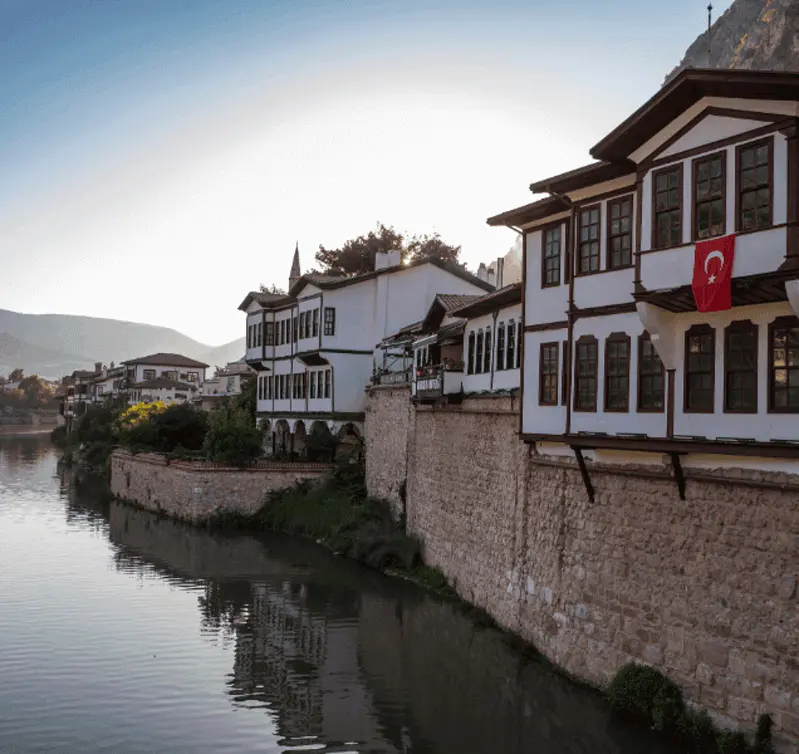
The first day makes an interesting comparison with what follows. Around Gölcük and Abant, water and forest lead the experience. Amasra later brings a coastal town and the sea; Safranbolu foregrounds settlement and architectural heritage. Yet the lakes should not be treated merely as preparation for the cities. Each has its own status, rules and appropriate ways of visiting. If the tour's cover photograph shows Safranbolu houses, calling it a view of either lake would mislead readers. Labeling every image with its actual stop helps people understand the route's geography. On returning home, remember more than the number of pictures. Recall how one close forest shore and one broader national park landscape shaped different ways of walking and looking.
A question to take away
There is no need to decide which lake is best. Ask where you looked most carefully. A pause at Gölcük may show water and trees; a walk at Abant can open the question on a wider scale. Both sites ask visitors for care. Confirm current conditions with official sources and allow for weather and group pace. As you leave, think about your path, the vegetation and the room you made for others. A slower Black Sea opening can be more lasting than a packed checklist.