
A Thoughtful Guide to Istanbul’s Historic Peninsula: What to See and How to Plan
Istanbul’s Historic Peninsula rewards visitors who slow down. Within a compact area, monumental architecture, active places of worship, old market streets and everyday neighbourhood life sit close together. The experience is richer when you plan a route around how the district feels on foot, rather than treating every landmark as a quick photo stop.
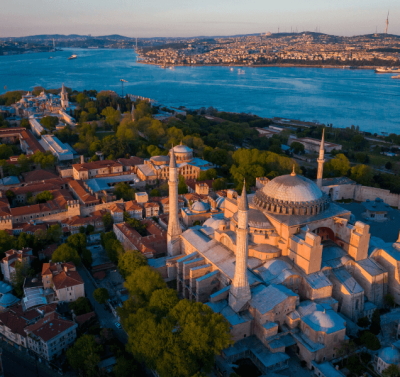
Istanbul’s Historic Peninsula rewards visitors who slow down. Within a compact area, monumental architecture, active places of worship, old market streets and everyday neighbourhood life sit close together. The experience is richer when you plan a route around how the district feels on foot, rather than treating every landmark as a quick photo stop.
Start with the story of Sultanahmet
Sultanahmet is a natural starting point for a first visit. The square and surrounding streets bring together layers of Byzantine and Ottoman history, with Hagia Sophia, the Blue Mosque and the remains of the ancient Hippodrome forming a memorable introduction. These places are not simply a checklist: look for how each building relates to the wider city, and take time to notice the courtyards, stonework and changing views as you move between them.
Some landmarks remain active religious spaces. Dress respectfully, follow signs and staff instructions, and be ready for visitor arrangements to change around worship or special events. Before travelling, check current visitor guidance directly with each site. Entry rules, access and availability can change, so avoid planning a tight schedule around assumptions. If a monument is closed to visitors at the time you arrive, appreciate its exterior and use the time to explore nearby streets instead.
Choose a route that leaves room to look around
A useful day plan groups nearby sights and includes breaks. Begin with the area’s major monuments, then follow the historic streets towards the Grand Bazaar or the Spice Bazaar if they fit your interests. The bazaars are living commercial places as well as historic attractions. Browse at an unhurried pace, be courteous when taking photographs, and allow time to step away from the busiest lanes for tea or a meal.
Distances that appear short on a map can feel longer when you are walking over uneven paving, pausing at security checks or exploring large interiors. Comfortable shoes, water and a flexible plan make a real difference. If you are visiting with children, older relatives or anyone who prefers fewer stairs, consider reducing the number of stops and confirming accessibility details before you go. A shorter route with time to absorb each place is often more rewarding than trying to fit every landmark into one day.
Look beyond the famous landmarks
The Historic Peninsula is also a neighbourhood. Between headline sights, notice smaller courtyards, fountains, workshop fronts and streets where local routines continue alongside tourism. A short pause can reveal more than rushing to the next landmark. If you enjoy architecture, compare the scale and materials of different eras; if food is your focus, seek a relaxed break and ask about local specialities without expecting every venue to be a hidden secret.
Photography is best approached thoughtfully. Religious sites may have restrictions, and people should not be photographed closely without permission. During busy periods, keep doorways and narrow passages clear. These small courtesies help preserve the atmosphere for residents, worshippers and other visitors. It is also worth keeping an eye on your belongings in crowded market lanes, as you would in any busy city centre.
Make practical arrangements before you go
Check the latest transport options from your hotel and choose a meeting point that is easy for everyone in your group to recognise. Keep your day’s essentials together, including any confirmations you need, and leave space for queues or a change of pace. If you have a flight, cruise departure or timed appointment later, do not build your sightseeing plan around a last-minute transfer estimate; confirm the route and allow a comfortable buffer.
It helps to decide what matters most before setting out: a deeper look at architecture, time for the bazaars, a particular museum or simply an easy introduction to the old city. Keep one or two alternatives in mind in case weather, crowds or visitor arrangements change. When checking current opening and access information, use the official pages for each attraction rather than relying on an old schedule copied into a travel post.
For an overview of available routes, browse our Istanbul tours. Travellers looking for a guided introduction to the city’s best-known historic landmarks can also review the Classic Istanbul Tour and check its current itinerary and inclusions before enquiring. A private guide can help connect the places you visit, while the right pace depends on your interests, mobility and schedule.
Travel with curiosity and respect
Istanbul’s Historic Peninsula is most rewarding when history and daily life are allowed to sit side by side. Arrive curious, dress appropriately for religious spaces, check current site information, and leave time for an unplanned discovery. Whether you focus on architecture, faith, markets or street life, a considered route will help you experience more than a collection of landmarks.
If you are planning time in the city, explore the routes above and contact Creaos Travel with your interests and travel dates to discuss a suitable itinerary.
#IstanbulTravel #HistoricPeninsula #Sultanahmet #IstanbulGuide #TurkeyTravel