
Classic Ephesus Tour
Exploring the ancient city of Ephesus and the Virgin Mary House presents an opportunity to spend a day immersed in history. Looking for another route? Compare our Ephesus and Virgin Mary tour or browse all private Ephesus tours from Kusadasi .
Explore the destination guide ↗Plan this journey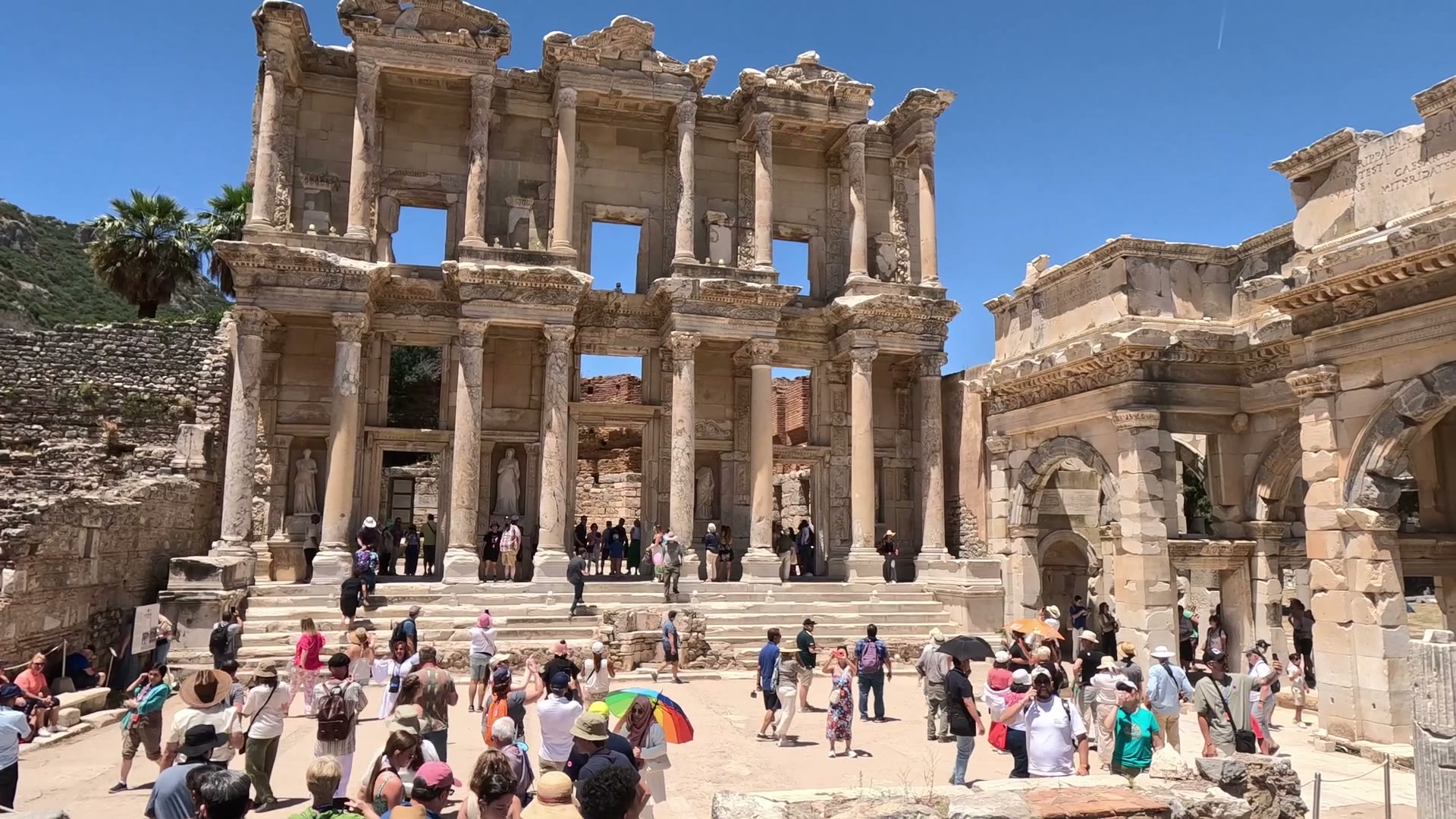
Itinerary
EPHESUS
At the start of the tour, we will be picked up from the hotel and head toward the ancient city of Ephesus. On the way, our guide will provide a brief history of the region.
Ephesus is of great historical significance, and the main structures you will visit during this tour include:
Odeon (Small Theatre): One of the most important meeting places in ancient Ephesus, the Odeon had a capacity of 1,500 and was one of the largest and most significant social spaces of its time. This theatre was used for public meetings, music events, and theatrical performances.
Temple of Domitian: Dedicated to the Roman Emperor Domitian, this temple is one of the largest in Ephesus. Archaeological excavations here have shed light on significant findings from the Roman Empire period.
Fountain of Trajan: This Roman-period fountain on Curetes Street was named for Emperor Trajan. Its surviving architecture is one of the landmarks encountered while walking through Ephesus.
Terrace Houses (Optional): Terrace Houses are among the most luxurious and impressive residential areas of the ancient city. Built during the Roman Empire period for the high socio-economic class, they are famous for their large rooms, mosaic floors, and elegant wall frescoes. Each house showcases the aesthetic understanding and luxurious lifestyle of the time. These homes also offer a glimpse into daily life in ancient Ephesus, with frescoes that help us understand the culture and art of the period. The Terrace Houses are some of the best-preserved residential structures in Ephesus and offer a unique insight into the past.
Library of Celsus: Built by C. Julius Aquila in honour of his father Tiberius Julius Celsus Polemaeanus, a former governor of the province of Asia, the library is one of the best-known monuments of Ephesus. The building also served as his memorial tomb.
House of Love (Love House): Considered one of the most romantic structures in Ephesus, the House of Love is built in the Ionic order. It is notable for its reliefs and marble carvings.
Great Agora: The Agora was the commercial center of Ephesus and one of the largest and most bustling marketplaces in the ancient world. Here, traders and the public interacted with each other.
Ancient Theatre: One of the largest structures in Ephesus, the ancient theatre had a capacity of about 25,000 people. It was used not only for theatrical performances but also for religious and political events.
Harbor Street: One of the most important streets in ancient Ephesus, Harbor Street led to the port and is one of the impressive engineering examples of the Roman Empire.
Experience Museum: This museum offers a glimpse into the fascinating past of Ephesus, showcasing artifacts from the ancient period and providing history lovers with a deeper understanding.
House of the Virgin Mary: This pilgrimage site near Ephesus is traditionally associated with Mary’s later life. Its historical association is a matter of religious tradition. Please confirm whether this separate stop is included in your chosen itinerary before booking.
Temple of Artemis: The Temple of Artemis is one of the most important structures of ancient Ephesus and was considered one of the Seven Wonders of the Ancient World. Dedicated to the goddess Artemis, this temple was one of the largest and most magnificent of its time. The structure’s architecture was one of the most advanced engineering feats of the period and is notable for its large columns. Although only ruins remain today, the temple continues to be a symbol of Ephesus’s religious and cultural significance. The Temple of Artemis hosted a large pilgrimage event each year and attracted many traders and visitors. It remains an important structure reflecting the religious beliefs and cultural values of the people of Ephesus.
Inclusions & Exclusions
Included in the Tour: Professional guiding services Comfortable transportation (air-conditioned private vehicle)
Not Included in the Tour: Museum and historical site entrance fees Personal expenses Meals (optional add-ons available)
Flexible & Private Tours
Flexible Tour Options Flexible tours can be arranged for cruise passengers. These tours are planned according to the ship’s arrival time, ensuring that all main sites are visited before the ship departs, providing a time-efficient experience for cruise groups.
Private Tour Options With private tour options, you can explore more freely and receive detailed explanations according to your personal preferences. Our guide will tailor the tour entirely to your and your family’s wishes, offering a more exclusive experience.
The journey, your way.
Share your dates, group size and interests. Our team will prepare a tailored proposal for this journey.
Planning this journey
What is the first planned stop on Classic Ephesus Tour?
At the start of the tour, we will be picked up from the hotel and head toward the ancient city of Ephesus. On the way, our guide will provide a brief history of the region.
What follows on Classic Ephesus Tour?
Ephesus is of great historical significance, and the main structures you will visit during this tour include:
Which services are listed for Classic Ephesus Tour?
The published programme lists: Included in the Tour: Professional guiding services Comfortable transportation (air-conditioned private vehicle); Not Included in the Tour: Museum and historical site entrance fees Personal expenses Meals (optional add-ons available)
How do I get a confirmed price?
Send your dates, group size and preferred services to CREAOS Travel. The team will confirm the route, inclusions and any optional activities before preparing a personal quote.