
Istanbul Byzantine History Tour
This special tour is designed for those who want to explore the magnificent history of the Byzantine Empire’s capital, Constantinople.
Explore the destination guide ↗Plan this journey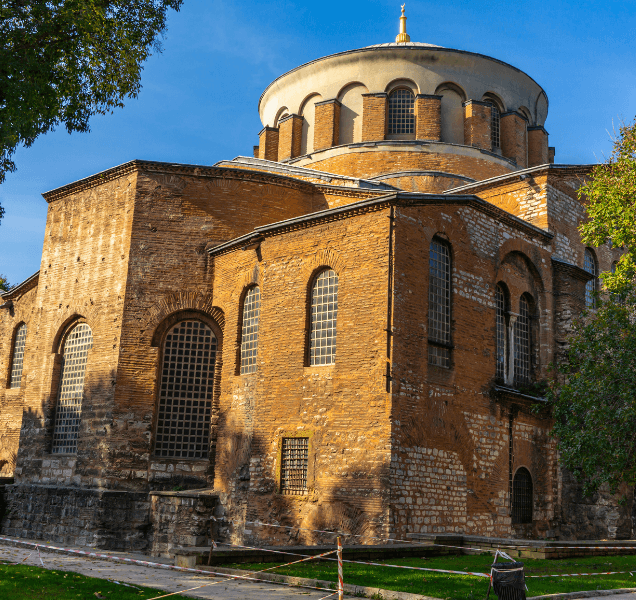
Itinerary
Hagia Sophia The first stop of our tour is Hagia Sophia, one of the most important symbols of Byzantium. Built as a church in 537 by Emperor Justinian, this majestic structure was converted into a mosque by the Ottomans in 1453 and is now open as a museum. Dome, At 56 meters high, the enormous dome is an engineering marvel and represents the pinnacle of Byzantine architecture. Mosaics, Golden mosaics depicting Jesus Christ, the Virgin Mary, and saints are striking examples of Byzantine art. This structure, where Christianity and Islam meet, symbolizes the fusion of two cultures.
Basilica Cistern Our next stop is the Basilica Cistern, built in the 6th century to meet the water needs of Byzantium. Supported by 336 columns, this massive underground structure enchants visitors with its mystical atmosphere. Medusa Head: Columns featuring the head of the mythological figure Medusa are among the most interesting features of the cistern. Mirror Effect of Water: The mesmerizing reflections in the water create a unique experience for visitors. The cistern was used during the Byzantine period to supply water to the palace and surrounding areas.
Istanbul Mosaic Museum In this section, we visit the Istanbul Mosaic Museum, which houses unique mosaics from the Byzantine era. Located on the remains of the Great Palace, this museum showcases the finest details of Byzantine art.Scenes of Daily Life: Mosaics depicting animal hunts, garden scenes, and mythological tales reflect the lifestyle of the Byzantine people. These mosaics were discovered during excavations in the 1930s and have been carefully preserved.
Little Hagia Sophia Mosque Another stop on our tour is Little Hagia Sophia Mosque, built during the Byzantine period and later converted into a mosque. Commissioned by Emperor Justinian between 527-536, this structure is one of the early examples of Byzantine architecture. Designed as a smaller prototype of Hagia Sophia. The delicate engravings on the column capitals reveal the details of Byzantine art. Converted into a mosque during the Ottoman period, this structure reflects both Christian and Islamic cultures.
Hippodrome Square Our final stop is the Hippodrome Square, where chariot races and public spectacles were held during the Byzantine period. Today known as Sultanahmet Square, this area holds traces of both the Byzantine and Ottoman empires. Egyptian Obelisk: Brought from Ancient Egypt, this 1500-year-old stone stands at the center of the Hippodrome.Serpent Column: A bronze column from ancient Greece, brought from Delphi. Walled Obelisk: Built during the Byzantine era, this stone column symbolizes the grandeur of the Hippodrome. German Fountain: A gift to the Ottomans from German Emperor Wilhelm II in the 19th century.
Inclusions & Exclusions
Included in the Tour: Professional guiding services Comfortable transportation (air-conditioned private vehicle)
Not Included in the Tour: Museum and historical site entrance fees Personal expenses Meals (optional add-ons available)
Flexible & Private Tours
Flexible Tour Options Flexible tours can be arranged for cruise passengers. These tours are planned according to the ship’s arrival time, ensuring that all main sites are visited before the ship departs, providing a time-efficient experience for cruise groups.
Private Tour Options With private tour options, you can explore more freely and receive detailed explanations according to your personal preferences. Our guide will tailor the tour entirely to your and your family’s wishes, offering a more exclusive experience.