
Bursa on Foot: Ulu Cami, Koza Han and Yeşil Türbe
Plan a walk through Bursa’s historic centre, from the Grand Mosque and the market courtyards to the Green Tomb.
Begin with the city rather than the checklist
Bursa is often a stop on the way from Istanbul to the Aegean. Spend the morning in its historic centre and the city starts to make sense on its own terms. A walk from Ulu Cami to Koza Han and onward to Yeşil Türbe connects places built for worship, commerce and remembrance. The buildings belong to several periods, and the spaces between them are part of the experience. A courtyard entrance, a busy passage or a quieter street can tell you something that a photograph of a facade cannot. If time is limited, choose the two stops that interest you most. A visit with two clear priorities often leaves a stronger impression than a longer list approached at speed.
Look up inside Bursa’s Grand Mosque
Türkiye’s official cultural inventory attributes Ulu Cami to Bayezid I and dates it to the end of the fourteenth century. Its current appearance also reflects repairs made over time. If you can visit the interior, start by looking at the relationship between the supporting piers, the domes and the floor of the prayer hall. It is easier to appreciate the scale of the building after noticing how people move beneath the domes. Choose one calligraphic panel and compare its position and scale with another. A guide can help explain the writing and its context. Follow local dress and photography rules and give worshippers space. If visitor access is limited during prayers, use the time outside to look at how the entrances meet the surrounding streets.
Enter Koza Han through the market
Koza Han stands between Ulu Cami and the Orhan Mosque. The Ministry’s Culture Portal places its construction around the end of the fifteenth century, under Bayezid II, and connects its income with his charitable buildings in Istanbul. That relationship gives the courtyard a wider context. A building filled with rooms and galleries could serve merchants in Bursa while generating revenue for institutions in another city. Stand where you can see the entrance and the galleries together. Try to follow the routes someone carrying goods might have taken. If you want to ask about silk, start with how a material was made or where it came from. Leave room for a conversation, a short pause or a second look at the architecture.
Compare two very different entrances
The walk from mosque to han offers an exercise anyone can try. At both places, find the point where you move from the street into an interior space. Notice what has changed in sound, light and direction. Watch where people may stand without blocking access. A family might choose a shape to look for in both buildings, while an architecture enthusiast can compare how each entrance frames the space ahead. There is no need to climb a staircase for the comparison to work. Pick a viewpoint that suits everyone and talk through what they can see. If one part of the market is particularly busy, a few minutes in a quieter spot may help the group absorb what it has already seen.
Make Yeşil a separate part of the route
Plan the move to Yeşil according to the group’s pace and the weather. Some visitors will prefer to walk, while others may benefit from a short transfer or more time to rest. UNESCO lists the Yeşil complex of Mehmed I and the Khans Area as separate components of the same World Heritage property. You can see why that distinction helps: the tomb has its own setting and its own relationship to the other buildings nearby. Look at its position before getting close. Once you are near the building, see where the coloured surfaces direct your eye. Take time to notice a detail without assuming that every area will be accessible. Confirm access directly for the rooms and viewpoints that matter to your group.
Place the walk in the larger UNESCO story
The inscription covers more than one monument or district. UNESCO’s description connects commercial buildings, social and religious complexes and the rural support provided by nearby Cumalıkızık to the emergence of the early Ottoman capital. A walk through central Bursa helps you see part of that network at a human scale. The village is a different visit and calls for its own transport plan. If you have more time, consult the official component map, choose an additional stop based on your interests and check how it fits the day. Comparing another complex can help you understand neighbourhood life. Travelling to Cumalıkızık gives greater attention to the city’s relationship with its rural surroundings.
Leave room for the onward journey
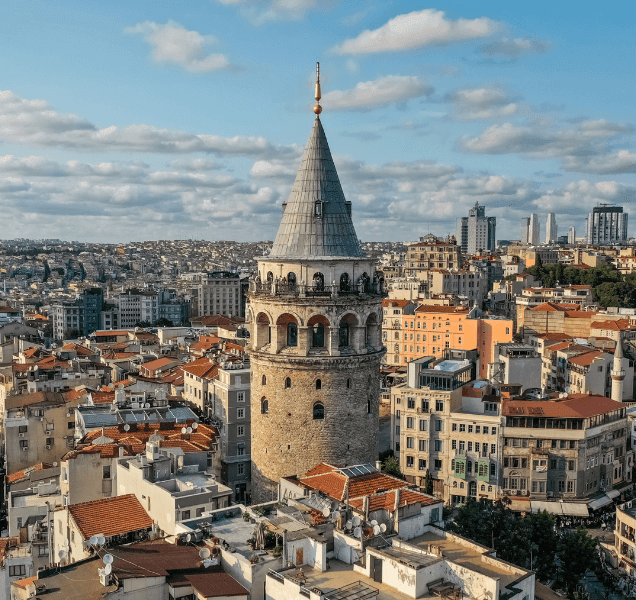
CREAOS’s Classic Anatolia Tour lists the Grand Mosque, Koza Han and the Green Tomb in its Bursa programme. Discuss the sequence, meeting point and walking pace with the team before confirming a date. Explain early if steps, standing time or a particular stop will shape the plan. The cover photograph shows Galata Tower in Istanbul, another city on the same itinerary. For a short Bursa visit, decide where you would most like to linger and let the rest of the day take shape around it. Before leaving, recall a detail from each setting: a line of writing, a passage off the courtyard or a patch of glazed colour. Taken together, they give you a small but distinct picture of Bursa.
Check the small practical details
Confirm the meeting point and access arrangements near your travel date. If you are continuing by road, decide where the group can regroup without waiting in a crowded entrance.