
Rumeli Fortress and the Bosphorus: A Guide to Both Shores
Plan a Rumeli Fortress visit in Istanbul. Read its towers from the shore, pair it with Anadolu Hisarı and decide how best to see both banks.
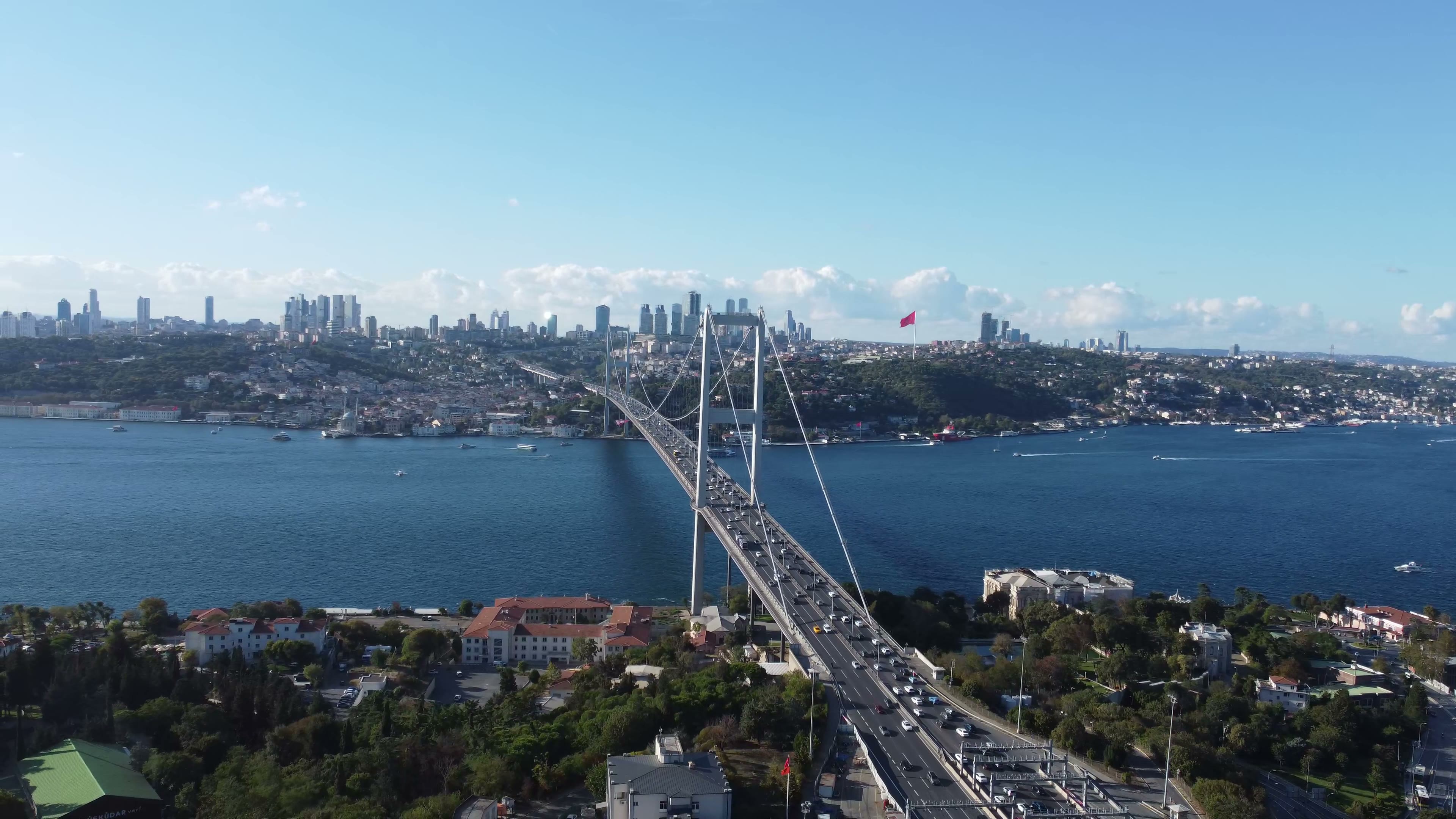
On a map of Istanbul, Rumeli Hisarı is easy to recognise by the way the land and water come together. The fortress occupies a hillside above the European shore. Across the Bosphorus stands Anadolu Hisarı, close enough to belong in the same view. Much of the meaning of Rumeli Hisarı is already visible at that scale. Before concentrating on the details of the stonework, look at the channel, the slope and the opposite shore together. A visitor can understand why this site mattered even without entering the fortress.
Begin with the Bosphorus
The Turkish Ministry of Culture and Tourism dates the construction of Rumeli Hisarı to 1452. Mehmed II commissioned it to control ships passing through the strait before the conquest of Constantinople. The ministry’s museum account places construction between spring and late summer of that year. The short interval gives a sense of the urgency of the work, but the position tells a visitor more than the dates alone. From this part of Istanbul the water occupies a narrow interval between two inhabited shores. Ships moving along the channel pass in front of both forts.
Start the visit by looking north and south along the water. The bend of the shore can hide the next stretch, especially from a low viewpoint. Then look across it. The distance is easier to judge when you compare a vessel with the buildings behind it. When you look back towards the fortress, notice how far the walls climb above the water. The difference in height helps explain why the fort looks smaller from a photograph taken at street level than it does from farther offshore.
Read the towers as part of a hillside
From a safe position on the shore, choose a clearly visible tower and follow the wall away from it. Look at where the wall runs across the slope and where it appears to change direction. You are unlikely to see every connection from one spot. That is part of the pleasure of reading the site: walls hidden when you look uphill can reappear from a point farther along the waterfront. If you are travelling with a guide, ask for a sketch of the perimeter or a photograph taken from above so you can place your observation on a plan.
A useful way to compare two views is to keep one tower in both photographs. In the first, include the wall immediately next to it. In the second, include as much of the shore and water as you can. The tower becomes a reference point, which makes it easier to see how the shape of the fortress relates to the hillside. Skip the comparison if the pavement is crowded or if reaching another viewpoint requires leaving a public path. There is plenty to read in the main view.
Compare the two banks
Anadolu Hisarı predates Rumeli Hisarı. The Istanbul Metropolitan Municipality’s museum account also records that Mehmed II strengthened the earlier fortification on the Asian shore during his preparations in 1452. It is worth thinking about those works together. From the European side you see the width of the channel between the two forts, while a view along the Asian shoreline reveals another relationship: Anadolu Hisarı stands near the mouth of the Göksu. Two structures can face the same water and still occupy quite different settings.
A boat trip gives you a chance to look at both without losing sight of the passage between them. If you are travelling with others, have someone look for the higher walls on the European slope while another finds the lower fortification opposite. Try to identify them before the commentary names them. When the view changes, notice which parts disappear behind the shore first. This simple exercise puts the forts back in the landscape, which is what makes them so useful for understanding the Bosphorus.
Decide between a shore visit and a view from the water
A visit on land suits travellers who like to move slowly, compare masonry at close range and stay in one neighbourhood. A trip on the water is better for reading the two banks as a pair. You can also make a short shore stop first and look back at it later from the water, if the route and timing allow. Check the museum’s current information before planning an interior visit. Ask separately about steps, steep surfaces and which parts can be reached when those details matter to your group. A wide view from a public waterfront position is a worthwhile alternative.
Give the waterfront its own time, especially if you are combining the visit with a second part of Istanbul. A short pause to see the water in both directions can be more rewarding than squeezing another attraction into the same afternoon. For visitors arriving on a cruise ship, plan transfers around your required boarding time and leave room for traffic or a change in the meeting point. Ask for the exact pickup details before leaving your ship or hotel.
Fit the forts into a broader Istanbul trip
The published Classic Istanbul Bosphorus itinerary from CREAOS describes Rumeli and Anadolu Hisarı as landmarks seen in the course of the cruise. If you want time on shore or a museum visit, ask whether it can be included when you discuss the route. The Istanbul tours page is a practical place to compare this type of visit with an Old City or neighbourhood route. You can combine different parts of the city over separate days, giving the Bosphorus enough time to make sense on its own. Before leaving Rumeli Hisarı behind, look back once more and identify the wall or tower that best shows how closely the fortress follows the land.