
Selçuk Beyond Ephesus: Ayasuluk, Artemis and İsa Bey Mosque
Explore Selçuk as a layered destination, from the Temple of Artemis and Ayasuluk Hill to Saint John’s Basilica, İsa Bey Mosque and the museum.
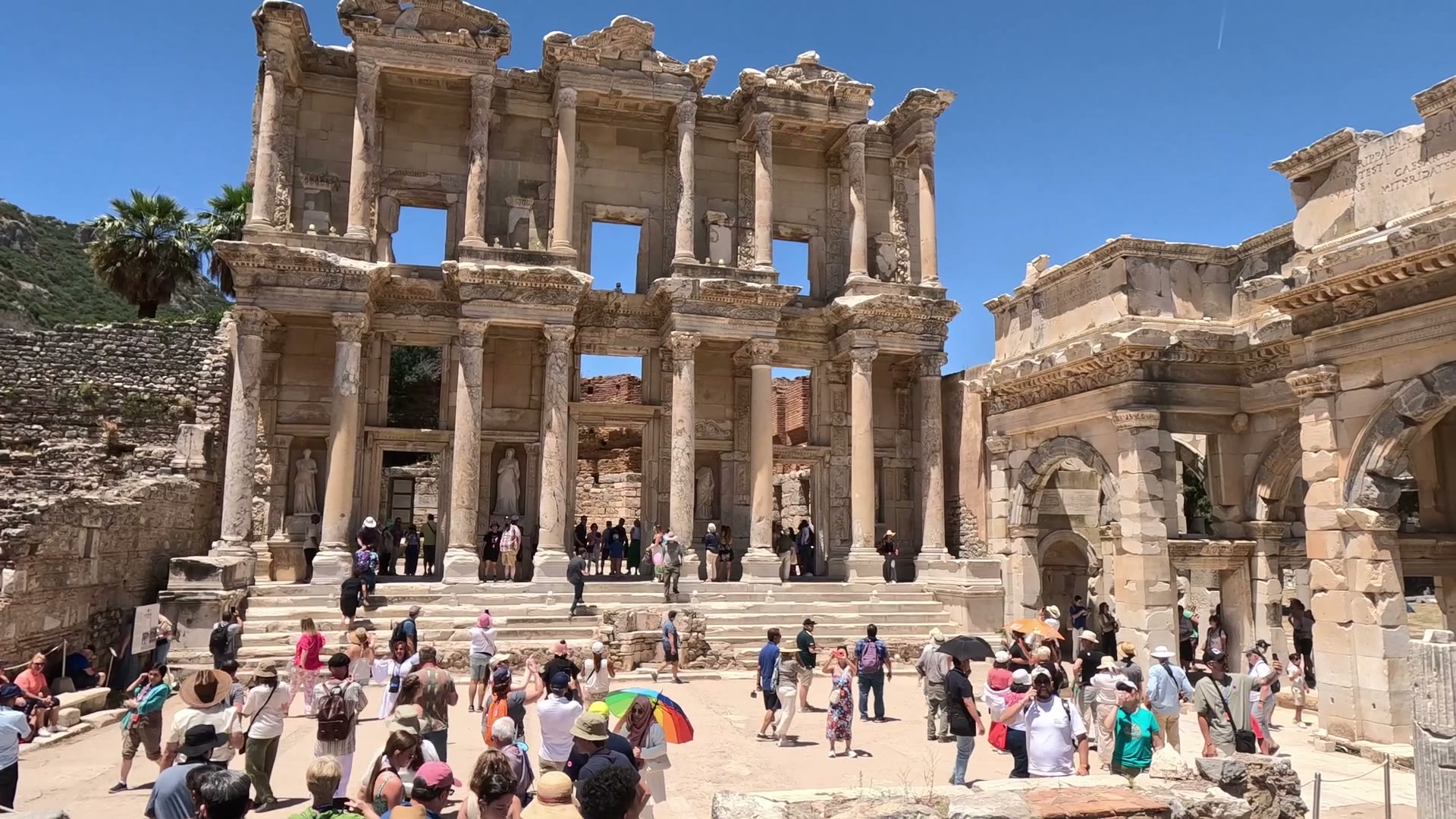
The story continues beyond the ruins
Many travellers leave the archaeological site of Ephesus and treat Selçuk as a convenient stop on the way back. Yet the short distances around town offer a remarkable way to see how a settlement changes its centre across centuries. An ancient harbour city, the sanctuary of Artemis, Christian monuments on Ayasuluk Hill and a mosque from the Aydınid period belong to related landscapes, but to different historical moments. They cannot be compressed into one photograph or one “Ephesus era.” This guide is designed to connect the places rather than merely tick them off. Look for shifts in movement, belief and daily life as you travel between them. The intervals between monuments matter as much as the monuments themselves.
Begin with the wider heritage map
Türkiye’s Ministry of Culture and Tourism describes the Ephesus World Heritage property through four components: Çukuriçi Höyük, Ayasuluk Hill and its surroundings, the archaeological city of Ephesus and the House of the Virgin Mary. The designation therefore reaches beyond the main entrance to the classical ruins. On and around Ayasuluk are the fortress, Basilica of Saint John, İsa Bey Bath, mosque and the Artemision. Mark these locations on a map before planning your visit. Their proximity does not mean they were built together. It shows that successive communities found different focal points within the same landscape. A map can help you resist the common mistake of treating everything labelled “Ephesus” as an exhibit from one century.
Read what remains of Artemis
The Temple of Artemis is remembered as one of the Seven Wonders of the Ancient World. Do not arrive expecting a complete building that matches a reconstruction drawing: UNESCO explicitly notes how little of the famous temple survives. Visit to understand the location and memory of a major sanctuary, not to photograph a standing palace. Artemis is a goddess of the Greek world; describing this as a temple to a Roman goddess obscures its setting. The fragmentary remains also remind you that Ephesus was not only a city of trade, streets and façades. Religious journeys brought people into the region too. Stand back and look across the surrounding ground. The relationship between the sanctuary and the later town is more revealing than any single surviving column.
Change perspective on Ayasuluk Hill
Ayasuluk Hill offers a starting point for Selçuk’s later chapters. Official museum interpretation explains how the focus of settlement moved toward this area after the prominence of the ancient city. Avoid a simplified tale in which one city was suddenly abandoned and another appeared overnight. The landscape changed over a long period, as did the coast and river environment associated with ancient Ephesus. From a higher vantage point, the spatial relationship between the ruins and present-day Selçuk becomes easier to imagine. Look at fortifications and settlement traces with their dates in mind. Structures at different elevations may belong to different phases. Ask what each wall was meant to protect or connect, instead of assigning every visible stone to one ruler or one faith.
Place Saint John’s Basilica in its own time
The Basilica of Saint John on Ayasuluk is an important place of remembrance and pilgrimage in Christian tradition. UNESCO highlights its testimony to Ephesus’s Christian history, while the official museum connects the basilica with the traditional burial place of Saint John. Distinguish that tradition from the date of the building now visible. The basilica is not a structure standing unchanged since the apostle’s lifetime. Read its ground plan, surrounding spaces and position on the hill together. These features show a developed religious complex rather than a single memorial point. People may come for historical interest, worship or quiet reflection; make room for all of them. The site’s later life is part of its meaning, not an inconvenient footnote to an earlier story.
See the Aydınid chapter at İsa Bey Mosque
Moving from the basilica toward İsa Bey Mosque helps reveal another period without framing Selçuk as a simple succession of replacements. The Ministry of Culture and Tourism dates the mosque to 1375 and attributes its construction to Aydınoğlu İsa Bey. Calling it merely a “Seljuk mosque” loses the specific context of the Aydınid principality. Notice its courtyard, stonework and position near older monuments. The encounter is especially rewarding when you have already looked at the hill as a lived landscape rather than a collection of isolated landmarks. Remember that a mosque is a place of worship, not just a heritage object. Respect current visitor arrangements and check access through official information before travelling; an old itinerary cannot guarantee a particular entry time.
Let the museum reconnect objects and places
The Ephesus Museum broadens the story through movable objects that can no longer be understood solely on the open-air site. Instead of racing to the best-known sculpture, ask where an object was found, when it was made and how it arrived in a display case. Connections between the ancient city, the Artemision and surrounding settlements help give context to walls that survive only in fragments outside. If a museum label seems to conflict with something said at a monument, check whether the two accounts refer to different phases of the site. Excavation, conservation and interpretation also change over time. Exhibitions and access arrangements can change, so consult the museum’s current notices on the day of your visit. The best museum stop prepares you to look again at the landscape.
Leave with Selçuk’s own story
If the Library of Celsus is your only lasting image, you may have missed half of Selçuk’s story. Traces of the Artemis sanctuary, the basilica on Ayasuluk, the mosque and the museum’s collections show that this region remained meaningful long after classical antiquity. UNESCO brings these layers within one heritage property; visitors can still respect the distinct history of each component. The CREAOS Ephesus and Selçuk tour is a starting point for exploring this landscape. Our guide to planning an Ephesus shore excursion from Kuşadası adds context for travellers arriving by ship. Confirm the actual route, included services and current access arrangements with the team before booking. Then give Selçuk the attention of a destination with its own story, rather than treating it as a footnote beside Ephesus.