
Zelve and Paşabağları: Reading Life in Cappadocia’s Rock Landscape
Look beyond the iconic fairy chimneys to explore Zelve’s three valleys, rock-cut spaces and the distinctive landscape of Paşabağları.
Two nearby places, different questions
Zelve and Paşabağları are often mentioned together on a Cappadocia itinerary. Their proximity can hide how different the encounters are. At Paşabağları, the striking shapes of the fairy chimneys immediately command attention. At Zelve, pathways through several valleys reveal traces of a former settlement within the rock. Reducing one to a photograph and the other to a list of churches misses much of both. Carry a larger question into the visit: how did people live with the forms this landscape offered, and how did they reshape it? This guide offers a way to explore two places associated with the CREAOS Cappadocia Green Tour. Confirm the actual itinerary and current access details before making plans.
Start with Zelve’s three valleys
The official museum account describes Zelve as a site of three valleys on the northern slopes of Aktepe. That simple description changes how you approach it. Zelve is not one monument that can be understood from a single viewpoint. As you move, the emphasis shifts from natural rock faces to excavated spaces and the routes that join them. Study the site map and on-site directions before choosing a path. Rather than hurry from image to image, pause in one valley and look across to the opposite slope. Try to separate naturally weathered forms from openings made by people. Then ask how the two connect. Current access arrangements can change, so use official notices rather than an old itinerary to plan the walk.
Natural forms, inhabited spaces
UNESCO explains that erosion shaped Cappadocia’s volcanic landscape and that successive communities created rock-hewn spaces within it. These are related processes, but they are not interchangeable. Nature formed ridges and pinnacles; people cut places for shelter, work, worship and social life. When you notice a window, niche or passage at Zelve, ask what it might have allowed people to do. Check the museum interpretation before assigning a precise function to an unfamiliar cavity. A room carved into rock can look empty in a photograph, yet it once belonged to a broader inhabited setting. This way of looking turns the landscape from a gallery of unusual shapes into a place where daily choices left material traces.
Do not give every church one date
The museum identifies Zelve as an important Christian settlement and religious centre between the ninth and thirteenth centuries. It also places certain churches, including Balıklı, Üzümlü and Geyikli, in an earlier historical context. The phrase “Zelve churches” therefore should not imply that every chapel was carved at the same moment. A name, a plan and any remaining traces of decoration open different questions. Weathering and later use may have altered what is visible today. UNESCO’s broader account of the Göreme and Cappadocia property places the region’s rock-cut churches within a wider history of settlement and Byzantine art. Look at each space on its own terms before comparing it with the next one.
Remember ordinary life at Zelve
Churches draw attention, but Zelve was more than a stage for monastic life. The museum record also names settlements, passages, a mill and a mosque among the features of the valley. These different structures remind us that the site answered changing needs across different periods. When you stand near an opening, first seek the official explanation of its use. Then look at its relationship to paths and neighbouring spaces. People needed places to work, prepare food and meet, as well as places to worship. A single religious narrative can obscure that everyday dimension. Stay within protected routes and avoid touching fragile surfaces. The rock itself is a historical record, and its continued survival depends on careful visits.
See Paşabağları from more than one angle
Paşabağları is known for its distinctive fairy chimneys. The Nevşehir Provincial Directorate of Culture and Tourism introduces the site alongside Zelve and notes its former name, Monks Valley. Place names tell us how a landscape has been interpreted, but the name does not prove that every individual chimney was a monk’s room. Step back and notice how the shafts, caps and surrounding ground relate to one another. Try several permitted viewpoints to see how erosion left different layers visible. Shadow, distance and the movement of other visitors change what you perceive. The search for a photograph should never take you beyond a conservation boundary. Keeping to designated paths helps preserve the very forms that brought you here.
Compare with Göreme without conflating them
Cappadocia has several open-air museums and rock settlements. The careful approach you bring to painted churches at Göreme can deepen your curiosity at Zelve, but do not treat the two sites as copies. Zelve’s valley layout and traces of habitation deserve attention; at Paşabağları, rock form itself is often the first subject. UNESCO’s World Heritage framework places varied sites within a shared region without erasing their differences. Our Göreme Open-Air Museum guide focuses on reading church architecture and painted surfaces. Here, pay closer attention to the changing relationship between geology and settlement. A useful comparison preserves distinctive features as well as similarities. It also gives you a reason to spend time in each place instead of using one photograph to stand for all of Cappadocia.
Build a Cappadocia day around your interests
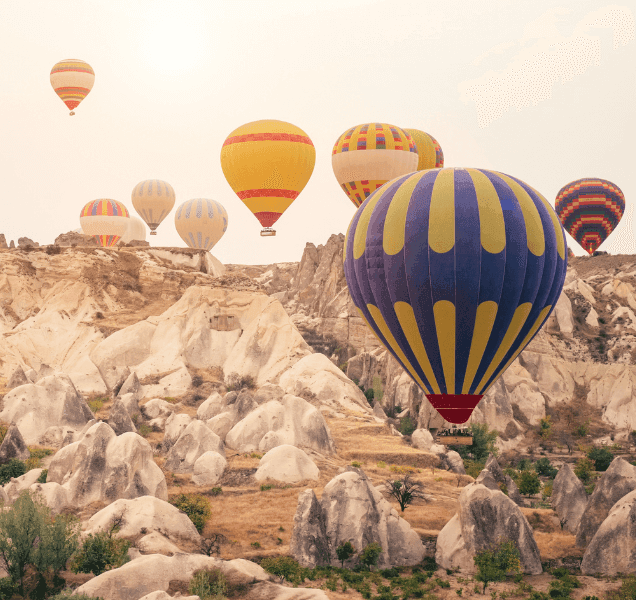
Seeing Zelve and Paşabağları together helps Cappadocia become more than a balloon-and-fairy-chimney image. Rock forms, carved churches, working spaces and settlement traces show different human decisions within one landscape. The CREAOS Cappadocia Green Tour page is a starting point for planning, while our guide to Cappadocia tours helps compare other options. The Turkish and English descriptions of this tour name different stops, so confirm the exact route with the team. Check current tickets, access and service inclusions before booking. Then return to one question at each place: how much of what I see was shaped by natural forces, and how much by human hands? It is a question that lasts longer than the photograph.